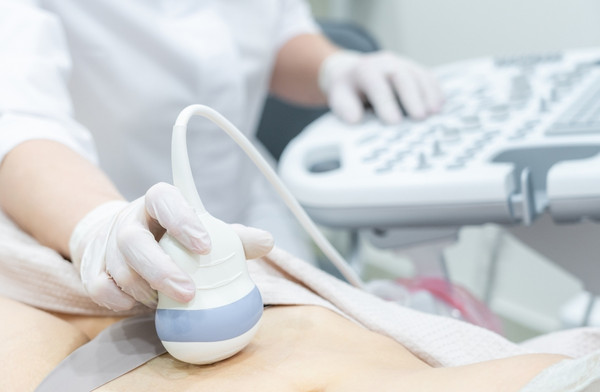



Egg freezing for medical reasons
Facing a medical situation that could affect your future fertility? Medical egg freezing offers a way to preserve healthy eggs now so that you may still be able to conceive a child later.
Medical egg freezing versus social egg freezing
Medical egg freezing may be considered when there is a health or fertility-related reason to harvest eggs now for later use.
You may be eligible for medical egg freezing if you:
- Have a medical condition or planned treatment that could affect fertility (e.g. upcoming chemotherapy)
- Have fertility screening results that suggest reduced ovarian reserve or another concern
- Have a known fertility issue or reproductive health condition such as polycystic ovary syndrome or endometriosis
- Are outside the social egg freezing pathway criteria because of age, BMI or screening results
- Would like a broader medical review before deciding whether egg freezing is appropriate for you.

In contrast, social egg freezing may be considered by women who are not ready for a baby yet but want to preserve today’s eggs to keep their options open later when their natural fertility may have begun to decline.
A more personalised assessment matters

Egg freezing for medical reasons can be a deeply personal decision with many factors to consider. Rather than setting standard criteria (which risk excluding some patients unfairly), we prefer a personalised assessment.
Your consultation and screening help clarify:
- Whether egg freezing is appropriate in your situation
- Whether your treatment is likely to be considered medical or social egg freezing
- How timing may affect treatment planning
- What the likely number of cycles and treatment costs may be in your case
- Whether you’re likely to be eligible for Medicare rebates
How egg freezing works
The egg freezing cycle has three main stages.
Hormonal stimulation
Treatment usually begins with 8-14 days of hormone injections to stimulate the ovaries so multiple eggs can mature in the same cycle.
Egg
collection
Once the eggs are ready, they are collected in a short procedure. At Demeter Fertility, we collect eggs vaginally under local anaesthetic in our rooms, saving you the cost of a hospital admission. You can generally go home shortly afterwards.
Egg
freezing
The eggs are then transferred to the laboratory and rapidly frozen using vitrification. Once frozen, eggs can be stored for future use.
One cycle or more?
Some patients require only one cycle while others are advised to consider additional cycles, depending on age, egg number, egg quality and overall treatment goals.
Some women choose back-to-back cycles while others prefer a break between cycles. We’re happy to accommodate your preferences.
Costs and Medicare

Egg freezing may cost:
- $9,250 to harvest and freeze your eggs (Medicare rebates may be available for some patients undergoing egg freezing for medical reasons such as cancer treatment or severe endometriosis)
- $600 per year to store your frozen eggs
- $3,535 to use your frozen eggs to create a pregnancy.
We do our best to keep costs as low as possible. For example, we harvest eggs in our clinic under local anaesthetic. That means you can avoid paying for a hospital admission and general anaesthetic.
*Costs are ‘approximate’ and individualised per patient
Why choose Demeter Fertility for egg freezing?
As a boutique fertility clinic,we emphasise inclusivity, cost-effectiveness and a whole-body approach to reproductive health.
For patients considering egg freezing, that means a pathway built around:
- Individual medical assessment rather than a one-size-fits-all approach
- Support for more complex fertility situations
- Clear guidance on social versus medical egg freezing pathways
- Affordable, in-clinic egg collection under local anaesthetic where possible
- High-quality care where no patient is considered too difficult
- Continuity of care within a smaller clinic setting.

Ready to discuss your options?
If you have a medical condition, fertility concern, abnormal screening, or do not meet the criteria for social egg freezing, our team can help you understand the next step.
Frequently Asked Questions
What is the difference between social egg freezing and medical egg freezing?
Social egg freezing is generally an elective option for women who want to preserve future reproductive options for personal reasons and who meet specific eligibility criteria. Please visit our social egg freezing page to learn more.
Medical egg freezing is considered when you’re dealing with a health condition or treatment that could affect your fertility (e.g. chemotherapy).
What if I do not meet the social egg freezing criteria?
If you don’t automatically meet the criteria for social egg freezing due to age, BMI, fertility history or something in your screening results, then please come to see us.
We will review your situation and advise you on whether egg freezing could still help you.
Who might need medical egg freezing?
Medical egg freezing may be worth discussing if there are health or fertility reasons to preserve your eggs now. This can include a known medical condition that could affect fertility, test results that raise fertility concerns, or upcoming treatment that could affect ovarian function and future fertility.
Can I still enquire if I am older than the social egg freezing age range?
Yes, we do not turn anyone away. Instead, we fully explain the pros and cons of treatment in your particular case.
Can I still enquire if my BMI does not meet the social pathway requirements?
Yes. We pride ourselves on being an accessible clinic and in not turning away patients deemed ‘too hard to help’ by other clinics. We promise to explain the risks and benefits carefully so you can make informed choices about whether to proceed with any treatment.
Will I be eligible for Medicare rebates?
Medicare rebates may be available for some patients seeking egg freezing for medical (not social) reasons.
How many egg freezing cycles will I need?
There is no universal number that suits everyone. The best approach depends on your circumstances and your health. Your doctor can advise based on your age, ovarian reserve, treatment goals and test results.
What happens when I am ready to use my eggs?
Using frozen eggs usually involves thawing some stored eggs, fertilising them with sperm, developing embryos in the laboratory and transferring an embryo to your uterus as part of IVF treatment.
Ready to Chat?
Disclaimer
All information is general and not intended as a substitute for professional advice. Any surgical or invasive procedure carries risks.
